
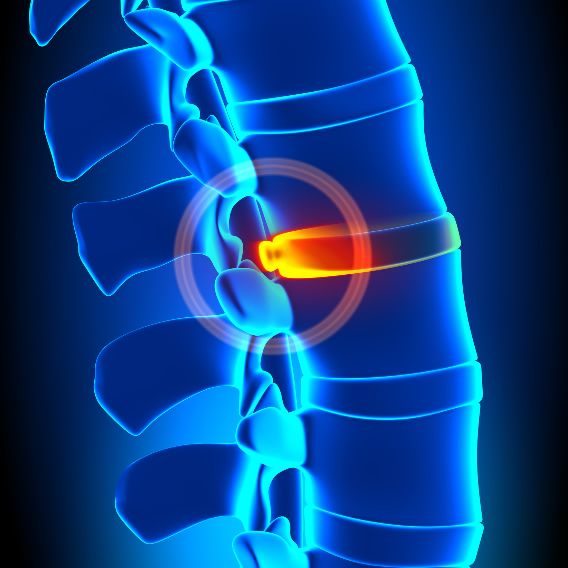
Thoracic Epidural Care in New Jersey
A thoracic epidural may be considered when pain appears to involve irritated nerves in the upper or middle back region. The thoracic spine is connected to the rib area, so symptoms can sometimes feel different from neck or lower back pain.
At Axis Pain & Spine, Dr. Jay Y. Darji evaluates thoracic pain patterns carefully for patients in Marlton, Cherry Hill, Mount Laurel, and nearby South Jersey areas before discussing a thoracic epidural steroid injection in NJ. The goal is to understand whether thoracic nerve irritation may be involved.
Thoracic pain can overlap with rib, chest wall, muscle, and spine-related concerns. Your evaluation helps determine whether a thoracic epidural injection is reasonable or alternative treatment options.
What Is a Thoracic Epidural?
A thoracic epidural is an injection performed in the upper-to-middle back region. It places medication into the epidural space near the thoracic spine.
Thoracic Spine Region
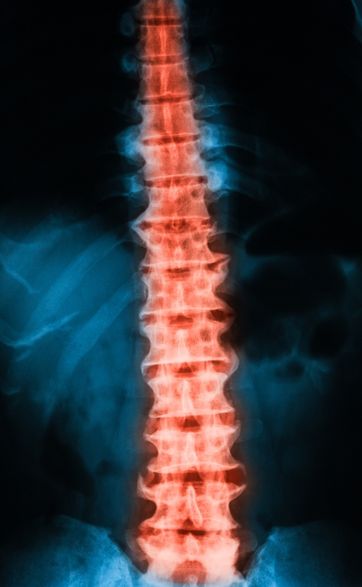
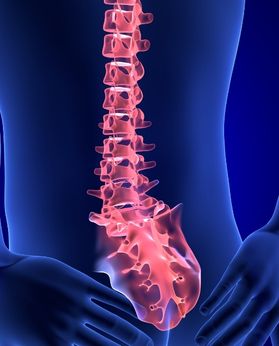
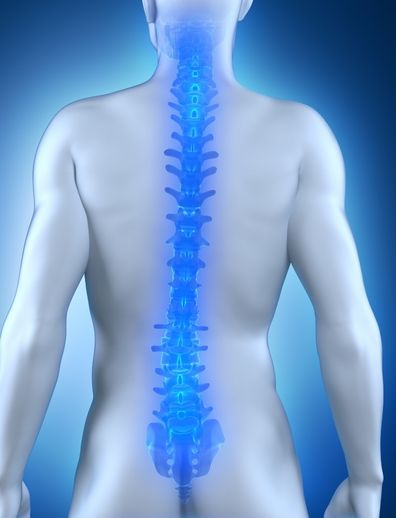
The thoracic spine sits between the neck and lower back. It supports the upper and mid-back area.
Epidural Space
The epidural space surrounds the spinal cord and spinal nerves. Irritation here may contribute to certain pain patterns.
Steroid Medication
Anti-inflammatory medication may be placed near irritated nerves to help reduce inflammation in some patients.
Image-Guided Planning
Imaging may help guide careful needle placement near the intended thoracic epidural area.

Start With a Careful Spine Pain Evaluation
Schedule an evaluation with Dr. Jay Y. Darji to review thoracic epidural injection options in South Jersey, including Marlton, Cherry Hill, Mount Laurel, and nearby communities.
When a Thoracic Epidural Injection May Be Considered
A thoracic epidural injection may be considered when symptoms and evaluation suggest irritation around thoracic spinal nerves. The decision depends on diagnosis, symptom pattern, relevant imaging, and overall health.
Mid-Back Pain Patterns
Pain may be felt in the upper or middle back when thoracic structures are irritated. Evaluation helps determine whether nerves may be involved.
Radiating Rib-Area Pain
Some thoracic nerve irritation patterns may cause discomfort that travels around the ribs or chest wall. A medical evaluation is needed first.
Thoracic Spine Inflammation
Disc changes, narrowing, or related findings may irritate nearby thoracic nerves in selected patients. A thoracic epidural may be discussed when appropriate.
Symptoms a Thoracic Epidural May Help Evaluate or Manage
A thoracic epidural is not used for every type of back pain. It may be considered when symptoms suggest thoracic nerve irritation or inflammation may be contributing to discomfort.
- Upper or middle back pain in certain patterns
- Pain that may travel around the rib or chest wall area
- Tingling, burning, or nerve-related discomfort in the thoracic region
- Pain associated with suspected thoracic spinal nerve inflammation
How the Thoracic Epidural Procedure Generally Works
A thoracic spine epidural injection requires careful planning because of the anatomy involved. Dr. Darji will explain the procedure, possible benefits, risks, and alternatives before care is recommended.
Review and Preparation
Your symptoms, medications, allergies, medical history, and relevant imaging will be reviewed first. This helps identify precautions before the procedure.
Positioning
You are positioned so the thoracic area can be accessed with care. The exact position may vary based on the planned approach.
Guided Placement
X-ray imaging guides the needle toward the intended epidural area. This supports careful placement near the suspected thoracic nerve irritation.
Short Monitoring
After the injection, you will be observed briefly before going home. Follow-up instructions help you understand what to expect next.
Explore Whether a Thoracic Epidural Fits Your Care Plan
If thoracic nerve irritation may be contributing to your pain, Axis Pain & Spine can help you review options with clear guidance.

Thoracic Epidural Steroid Injection Cost and Planning
Epidural steroid injection cost can vary based on the type of injection, care setting, imaging guidance, insurance coverage, deductibles, and individual plan requirements. Exact cost information should be reviewed with the office or insurance provider.
If a thoracic epidural steroid injection is recommended, the Axis Pain & Spine team can help you understand appointment planning, insurance questions, and documentation needs. The medical recommendation should be based on diagnosis and patient needs.
Benefits, Limits, and Thoracic Epidural Injection Side Effects
A thoracic epidural steroid injection may help selected patients reduce inflammation around irritated thoracic spinal nerves and improve comfort, but it is not a guaranteed solution. The right plan depends on diagnosis, symptoms, history, relevant imaging, and goals.

Possible Pain Reduction
Some patients may notice decreased upper or mid-back pain when nerve inflammation is contributing to symptoms. The amount and timing of relief can vary.

Improved Comfort
With decreased inflammation, some patients may find it easier to move, breathe deeply, sit, or perform daily activities with less discomfort.

Variable Relief
Relief may be temporary, partial, or limited, and improvement can vary based on the pain source and patient-specific factors.

Not for Every Patient
Eligibility depends on diagnosis, overall health, medications, imaging findings, and the suspected thoracic pain source.

Possible Side Effects
Thoracic epidural injection side effects may include soreness, temporary symptom changes, medication reaction, bleeding, infection, or rare serious complications.

Next-Step Planning
Your response may help Dr. Darji decide whether follow-up care, additional evaluation, or other options should be discussed.
Related Pain Sources Dr. Darji May Evaluate
Pain in the thoracic region can come from several possible sources. A careful evaluation helps determine whether a thoracic epidural injection fits the clinical picture.
Thoracic Disc-Related Findings
Disc-related changes may irritate nearby nerves in selected patients. Imaging and symptoms are reviewed together.
Nerve Irritation
Nerve irritation may cause pain that travels around the ribs or chest wall. The pattern matters during evaluation.
Muscle or Soft Tissue Pain
Some mid-back pain may come from muscles, joints, or soft tissues rather than nerves.
Spine Narrowing
Narrowing around the thoracic spine may be considered when symptoms and imaging suggest possible nerve involvement.
Chest Wall Symptoms
Rib-area pain can have different causes, so medical evaluation is important before assuming a spinal source.
Referral When Needed
If symptoms suggest another medical concern, Dr. Darji may recommend additional evaluation or referral.
FAQs About Thoracic Epidural in New Jersey
If you are researching thoracic epidural steroid injection in NJ, including options in Marlton, Cherry Hill, Mount Laurel, and nearby South Jersey areas, it is helpful to understand what the procedure may involve before scheduling care.