

Radiofrequency Ablation (RFA) Care in New Jersey
Radiofrequency ablation may be considered when specific nerves are believed to be carrying pain signals from the spine, joints, or related structures. This procedure uses radiofrequency energy to heat a small area of nerve tissue.
At Axis Pain & Spine, Dr. Jay Y. Darji evaluates whether radiofrequency ablation for pain management may fit the diagnosis for patients in Marlton, Cherry Hill, Mount Laurel, and nearby South Jersey areas. The goal is to identify a likely pain source and discuss whether radiofrequency nerve ablation may be appropriate.
RFA is not used for every pain concern and is not described as a permanent fix. Patient selection may include exam findings, relevant imaging, and response to diagnostic blocks when needed.
What Is Radiofrequency Ablation?
Radiofrequency ablation is a minimally invasive pain management procedure that uses controlled heat near targeted nerves. It may be used as part of a broader care plan when evaluation suggests that specific nerves are contributing to pain.
Targeted Nerve Area
Radiofrequency ablation of a nerve focuses on selected nerve tissue believed to be involved in pain signaling.
Radiofrequency Energy
Radiofrequency energy creates controlled heat near the targeted area. This may help reduce pain signals in some patients.
Diagnostic Planning
Diagnostic nerve blocks may be used before some procedures to help confirm whether a nerve is likely contributing to pain.
Individualized Care
The treatment plan depends on diagnosis, symptoms, exam findings, medical history, relevant imaging, and response to prior care.
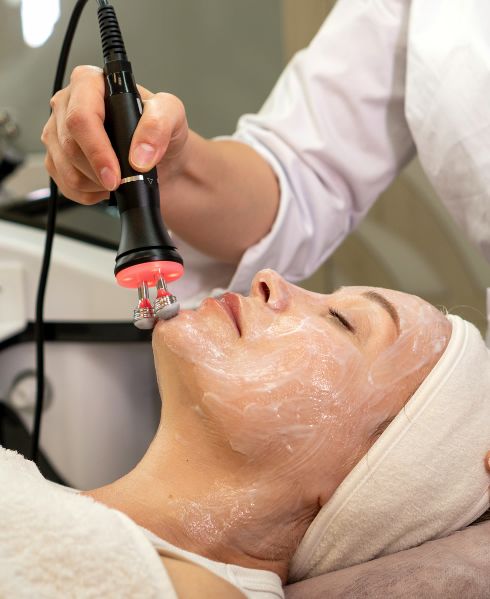
Start With a Diagnosis-Based Pain Evaluation
Schedule an evaluation with Dr. Jay Y. Darji to discuss radiofrequency ablation in South Jersey, including Marlton, Cherry Hill, Mount Laurel, and nearby communities.
When Radiofrequency Ablation May Be Considered
Radiofrequency ablation for pain may be considered when evaluation suggests that a specific nerve or group of nerves is contributing to ongoing discomfort. The decision depends on diagnosis, symptom pattern, history, imaging when appropriate, and diagnostic testing when needed.
Facet-Related Back or Neck Pain
Radiofrequency ablation for back pain may be considered when facet joints are suspected pain sources. Diagnostic blocks may help guide the decision.
Sacroiliac Joint Pain Patterns
RFA may be discussed when the sacroiliac joint area is believed to contribute to symptoms. Evaluation helps determine whether this approach may fit.
Knee Pain Evaluation
Radiofrequency ablation for knee pain may be considered for selected patients with certain knee pain patterns. Eligibility depends on diagnosis and patient-specific factors.
Symptoms Radiofrequency Ablation May Help Evaluate or Manage
Radiofrequency ablation for pain management is not used for every type of pain. It may be considered when symptoms and evaluation suggest that targeted nerves may be contributing to discomfort.
- Neck or back pain believed to involve facet-related pain signals
- Pain around the sacroiliac joint area in selected cases
- Certain knee pain patterns after careful evaluation
- Pain that responds meaningfully to diagnostic nerve blocks

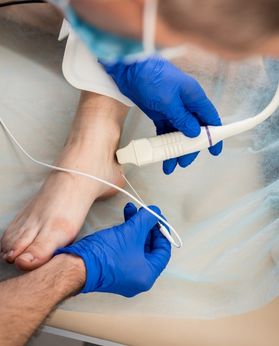
How the Radiofrequency Ablation Procedure Generally Works
The details of nerve ablation can vary based on the treatment area, suspected pain source, and patient’s medical history. Dr. Darji will explain benefits, risks, and alternatives before care is recommended.
Review and Preparation
Your symptoms, medications, allergies, medical history, and relevant imaging may be reviewed before the procedure. This helps guide planning and identify precautions.
Careful Positioning
You are positioned so the targeted area can be accessed with care. The position may vary depending on the spine, joint, or nerve region involved.
Guided Needle Placement
Imaging may be used to help guide the needle near the intended nerve area. This supports accurate placement near the suspected pain signal source.
Radiofrequency Treatment
Radiofrequency energy is applied near targeted nerve tissue. The goal is to reduce pain signaling in selected patients, though results vary.
Explore Whether RFA Fits Your Pain Management Plan
If specific nerves may be contributing to your pain, Axis Pain & Spine can help patients in Marlton, Cherry Hill, Mount Laurel, and nearby South Jersey areas review radiofrequency ablation options with realistic expectations.

What to Expect Before and After Radiofrequency Ablation
Before radiofrequency ablation, Dr. Darji will review your symptoms, medications, allergies, medical history, relevant imaging, and prior response to diagnostic blocks. You may receive instructions about eating, drinking, transportation, activity limits, or medication adjustments.
After the procedure, some patients may notice soreness, temporary irritation, or changes in symptoms before improvement is noticed. Pain relief, if it occurs, can vary in timing and duration.
Benefits, Limits, and Safety Considerations
Radiofrequency ablation may help selected patients reduce pain signals from targeted nerves and improve comfort, but it is not a guaranteed or permanent solution. The right plan depends on diagnosis, symptoms, history, relevant imaging, diagnostic response, and goals.

Possible Pain Reduction
Some patients may notice decreased pain when the targeted nerve is contributing to symptoms. The amount and timing of relief can vary.

Improved Daily Comfort
If pain signals decrease, some patients may find it easier to move, sit, stand, walk, or participate in daily activities.

Variable Duration
Relief may be temporary, partial, or limited. Pain can return over time, and each patient’s response is different.

Not for Every Patient
Eligibility depends on diagnosis, overall health, medications, imaging findings, and whether the suspected nerve source is appropriate.

Possible Risks
Risks may include soreness, temporary numbness, bleeding, infection, increased pain, nerve irritation, or rare serious complications.

Follow-Up Planning
Your response to RFA may help Dr. Darji decide whether follow-up care, additional evaluation, or other options should be discussed.
Radiofrequency Ablation Options Dr. Darji May Discuss
Radiofrequency ablation can be discussed for different pain patterns, but the target and purpose should be specific to the diagnosis.

Lumbar RFA
Lumbar RFA may be considered when lower back pain appears to involve facet-related pain signals.
Cervical RFA
Cervical RFA may be discussed for selected neck pain patterns after appropriate diagnostic evaluation.
SI Joint RFA
SI joint-related RFA may be considered when the sacroiliac region is believed to contribute to symptoms.
Knee RFA
Knee RFA may be discussed for selected knee pain patterns when patient selection supports this approach.
Diagnostic Blocks
Diagnostic blocks may help clarify whether a target nerve is likely contributing to pain.
Alternative Options
If RFA is not appropriate, other conservative or interventional options may be reviewed.
FAQs About Radiofrequency Ablation in New Jersey
If you are researching radiofrequency ablation in NJ or comparing care in Marlton, Cherry Hill, Mount Laurel, and nearby South Jersey areas, it is helpful to understand when the procedure may be considered and what questions to ask.