

Sacroiliac Joint Injection Care in New Jersey
A sacroiliac joint injection may be considered when pain appears to involve the sacroiliac joint, also called the SI joint. This joint connects the lower spine to the pelvis and may contribute to lower back, buttock, hip, or upper leg pain patterns.
At Axis Pain & Spine, Dr. Jay Y. Darji evaluates whether SI joint pain may be a source of low back, pelvic, hip or upper leg pain. The goal is to narrow the possible pain source before recommending a procedure.
Lower back pain can come from the spine, hip, muscles, nerves, or SI joint area. A careful evaluation helps avoid assuming the SI joint is the source without supporting findings.
What Is a Sacroiliac Joint Injection?
A sacroiliac joint injection is a minimally invasive procedure that places medication into or near the SI joint. It may be used as part of a broader pain management plan when evaluation suggests the SI joint may be contributing to symptoms.
Sacroiliac Joint
The sacroiliac joint connects the sacrum at the base of the spine to the pelvis. Pain from this area can overlap with other lower back concerns.
SI Joint Injection
An SI joint injection may place medication into or around the joint area. The approach depends on symptoms, diagnosis, and clinical findings.
Diagnostic Value
In some cases, the injection may help evaluate whether the SI joint is a likely pain source.
Image Guidance
Imaging is used during the SI joint injection procedure to help guide careful needle placement near the intended area.

Start With a Diagnosis-Based Lower Back Evaluation
Schedule an evaluation with Dr. Jay Y. Darji to discuss sacroiliac joint injection options in South Jersey, including Marlton, Cherry Hill, Mount Laurel, and nearby communities.
When a Sacroiliac Joint Injection May Be Considered
A sacroiliac joint injection for lower back pain may be considered when symptoms and exam findings suggest that the SI joint could be contributing to discomfort. The decision depends on diagnosis, symptom pattern, history, relevant imaging, and overall health.
Lower Back and Buttock Pain
SI joint pain may be felt in the lower back, buttock, or hip-area region. Evaluation helps determine whether the SI joint may be involved.
Pain With Certain Movements
Some patients notice discomfort with standing, walking, climbing stairs, or position changes. Symptoms and exam findings may help guide the care plan.
Pelvic-Area Pain Patterns
Sacroiliac joint pain may overlap with hip, spine, or soft tissue pain. A careful evaluation helps narrow the possible pain source.
Symptoms a Sacroiliac Joint Injection May Help Evaluate or Manage
A sacroiliac joint injection is not used for every type of lower back pain. It may be considered when symptoms and evaluation suggest that the SI joint may be contributing to discomfort.
- Lower back pain near one side of the pelvis
- Buttock, hip, or upper leg discomfort in certain patterns
- Pain that may worsen with standing, walking, or position changes
- Symptoms linked to suspected sacroiliac joint pain
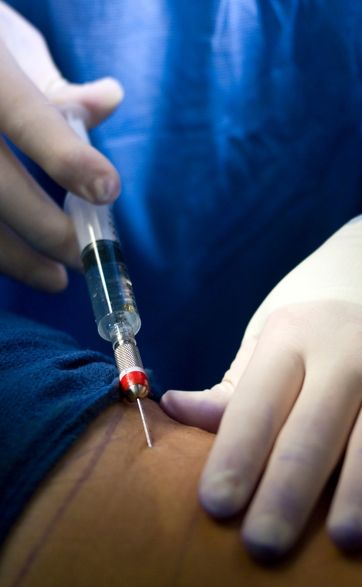
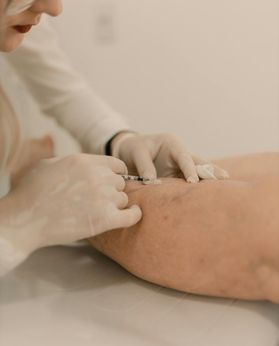
How the SI Joint Injection Procedure Generally Works
The details of a sacroiliac joint injection can vary based on the suspected pain source, patient anatomy, medical history, and treatment goals. Dr. Darji will explain benefits, risks, and alternatives before care is recommended.
Review and Preparation
Your symptoms, medications, allergies, medical history, and relevant imaging will be reviewed before the procedure. This helps guide the treatment approach and identify precautions.
Positioning
You are positioned in a way that allows careful access to the SI joint area. The position may vary based on comfort and the planned approach.
Guided Placement
Imaging may help guide the needle toward the intended sacroiliac joint area. This supports careful placement near the suspected pain source.
Short Monitoring
After the injection, you will be observed briefly before going home with instructions. Dr. Darji will explain what to expect and when to discuss your response.
Explore Whether an SI Joint Injection Fits Your Care Plan
If sacroiliac joint pain may be contributing to lower back or buttock-area symptoms, Axis Pain & Spine can help patients across Marlton, Cherry Hill, Mount Laurel, and nearby South Jersey areas review options clearly.
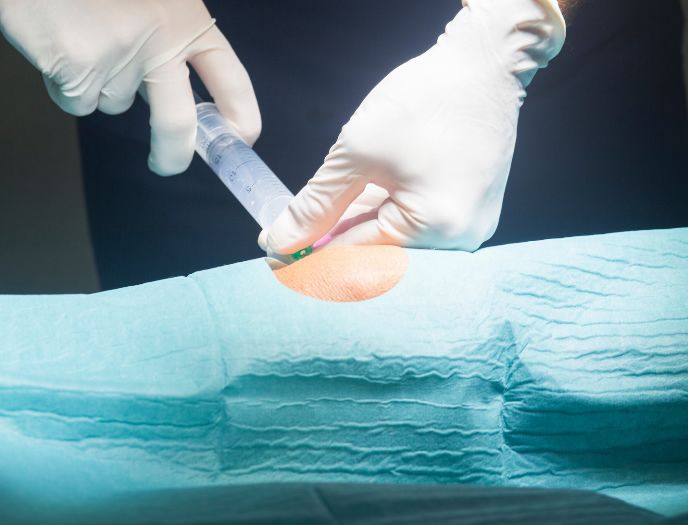
SI Joint Pain Relief NJ Patients Should Approach Carefully
Many patients search for SI joint pain relief NJ options because lower back and pelvic-area symptoms can affect sitting, standing, walking, and daily movement. The first step is understanding whether the SI joint is truly contributing to the pain.
Axis Pain & Spine helps patients compare possible options, including conservative care, image-guided procedures, medication-based support, therapy-based care, and referrals when appropriate. Sacroiliac pain treatment in NJ should be based on diagnosis, not assumptions.
Benefits, Limits, and Safety Considerations
A sacroiliac joint injection may help selected patients reduce pain and inflammation when the SI joint is believed to be contributing to symptoms, but it is not a guaranteed solution. The right plan depends on diagnosis, symptoms, history, relevant imaging, and goals.

Possible Pain Reduction
Some patients may notice decreased lower back, buttock, hip, or upper leg discomfort after injection when the SI joint is contributing to symptoms. The amount and timing of relief can vary.

Improved Movement Comfort
If symptoms improve, some patients may find it easier to sit, stand, walk, climb stairs, or participate in daily activities with less discomfort.

Variable Relief
Relief may be temporary, partial, or limited, and improvement can differ from patient to patient based on the pain source.

Not for Every Patient
Eligibility depends on diagnosis, overall health, medications, imaging findings, exam results, and the suspected SI joint pain source.

Possible Risks
Risks may include soreness, bleeding, infection, medication reaction, increased pain, temporary numbness, or rare serious complications.

Next-Step Planning
Your response may help Dr. Darji decide whether follow-up care, additional evaluation, or changes to the care plan should be discussed.
Sacroiliac Joint Pain Treatment Options Dr. Darji May Discuss
Sacroiliac pain treatment in NJ may include different options depending on the suspected cause and severity of symptoms. Dr. Darji will recommend care based on evaluation rather than using the same approach for every patient.

Activity and Movement Guidance
Certain activity changes may help reduce irritation during painful periods. Guidance depends on symptoms, mobility, and overall health.
Medication-Based Support
Medication may be discussed to help manage pain or inflammation when appropriate. Recommendations depend on medical history and safety considerations.
Therapy-Based Care
Therapy-based care may help some patients improve strength, movement, and stability. The plan should match the diagnosis and symptom pattern.
SI Joint Injection
An SI joint injection in NJ may be considered when the SI joint is believed to be contributing to symptoms. Results vary from patient to patient.
Diagnostic Review
Exam findings and imaging may help clarify whether symptoms are related to the SI joint, lumbar spine, hip, or another pain source.
Follow-Up Planning
Your response to care may help guide next steps, including additional evaluation, continued conservative care, or other interventional options when appropriate.
FAQs About Sacroiliac Joint Injection in New Jersey
If you are researching sacroiliac joint injection in New Jersey, including Marlton, Cherry Hill, Mount Laurel, and nearby South Jersey areas, it is helpful to understand what the procedure may involve and how SI joint pain treatment options are selected.